The best ai receptionist for a small business is the one that handles your actual calls, books against your real calendar, and knows when to bring in a person. I would not pick one from a feature list. I would test its handoff rules, booking accuracy, call logs and failure paths before committing.
In a voice agent build, the real work starts once the basic conversation sounds fine. A caller asks for an appointment, changes the time halfway through, then asks to speak to someone. That is where the call flow needs clear rules, not just a good voice.
This is for service business owners comparing receptionist products or weighing a custom build. I cover what I test from the inside, what breaks in production, and how to run an honest trial.
What does an AI receptionist actually do?
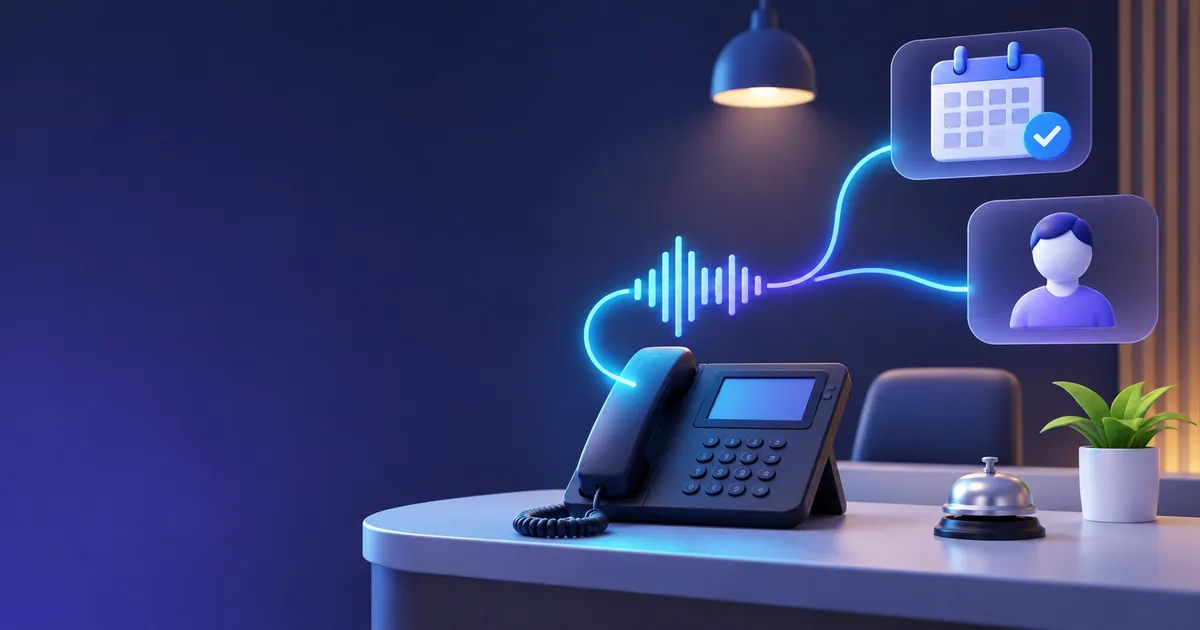
An AI receptionist answers incoming calls, understands the request and takes approved actions: answering routine questions, collecting details, qualifying the inquiry, booking or routing the call. A traditional virtual receptionist is a human answering service that takes calls on your behalf. Both have a place.
- AI answering: Suits defined questions, structured booking and predictable routing.
- Human answering: Suits sensitive conversations, upset callers and exceptions that need judgment.
- Hybrid: Automation takes routine calls, and a person takes the rest.
I built an AI voice agent for service businesses. It answers calls, qualifies the caller, books into the business calendar and logs the call. Telephony feeds a language model, and n8n orchestrates the booking flow. You can read the AI voice agent case study. I have not published results, so I will stick to design decisions.
How should an AI receptionist hand a call to a human?
Handoff is the first thing I test. I set escalation rules per call type before writing any conversation:
- Explicit request: The caller asks for a person.
- Low confidence: The system cannot reliably understand a critical detail.
- Sensitive issue: A complaint, dispute or urgent concern.
- Outside scope: A decision the receptionist is not allowed to make.
- Going in circles: The conversation has stopped making progress.
A cold or blind transfer connects the caller without briefing the person who picks up, so the caller may repeat themselves. A warm transfer briefs that person first. Vapi’s transfer call docs describe blind and warm modes, including a warm transfer that speaks a summary before connecting. Retell’s transfer call docs describe cold, warm and agentic warm transfer.
Ask the vendor to show what the caller hears during the transfer, and what happens when nobody answers. A transfer button is not a handoff strategy.
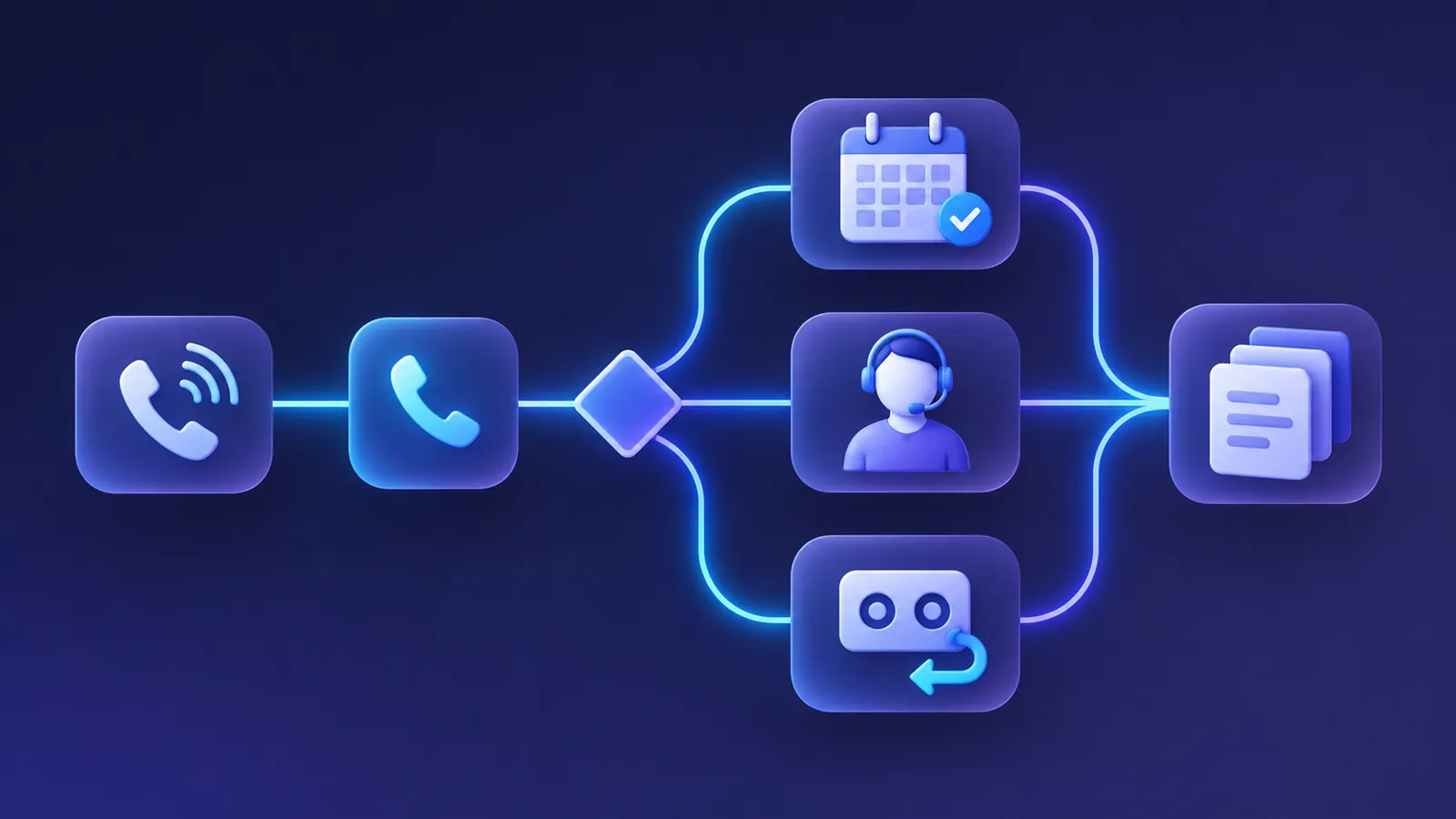
Can it book into your real calendar without creating problems?
Booking is where a good demo turns into an operations problem. An ai phone receptionist should not hear a preferred time and promise it. I check the flow in this order:
- Identify the service: Which appointment type does the caller need?
- Check real availability: Query the connected calendar, with your staff schedules, service length and buffers.
- Handle time zones: Read the caller’s time against the business calendar.
- Recheck, then book: Availability can change between lookup and booking, so recheck and wait for the calendar to save the event.
- Confirm out loud: Repeat the date, time, service and location.
- Support changes: A clear path to reschedule or cancel.
I also test a calendar timeout. The receptionist must not say an appointment is confirmed when the calendar has not confirmed it. It should say the booking could not be verified and offer a callback.
Rescheduling needs its own test: move the right appointment without creating a duplicate.
Comparing AI receptionists right now? I can walk through your call flow with you before you buy and mark what to automate, what needs a person and what should happen when something fails. Book a conversation
How much should the receptionist ask before routing a caller?
Qualification should route the caller, not turn a call into a form. I usually start with the reason for calling, whether the business offers that service, location and timing, the contact details the next step needs, and urgency.
Stop asking once the next action is clear. If a caller wants to reschedule, find the appointment instead of asking sales questions. If they ask for a person, qualification should not stand in the way.
This is also where I set permissions. A receptionist may collect details and book approved appointment types. It should not make exceptions, promise outcomes or change records outside its scope. My AI agents and automation work builds AI receptionist workflows around exactly these limits.
Why do call logs matter as much as the conversation?
A call that sounds fine tells you nothing about whether the system did the right thing. Logs make it reviewable:
- Transcript and summary: What was said, why they called and what happened.
- Actions: Which tools ran and whether they succeeded.
- Handoff: Whether a transfer was asked for, tried and completed.
- Failure reason: What stopped the intended outcome.
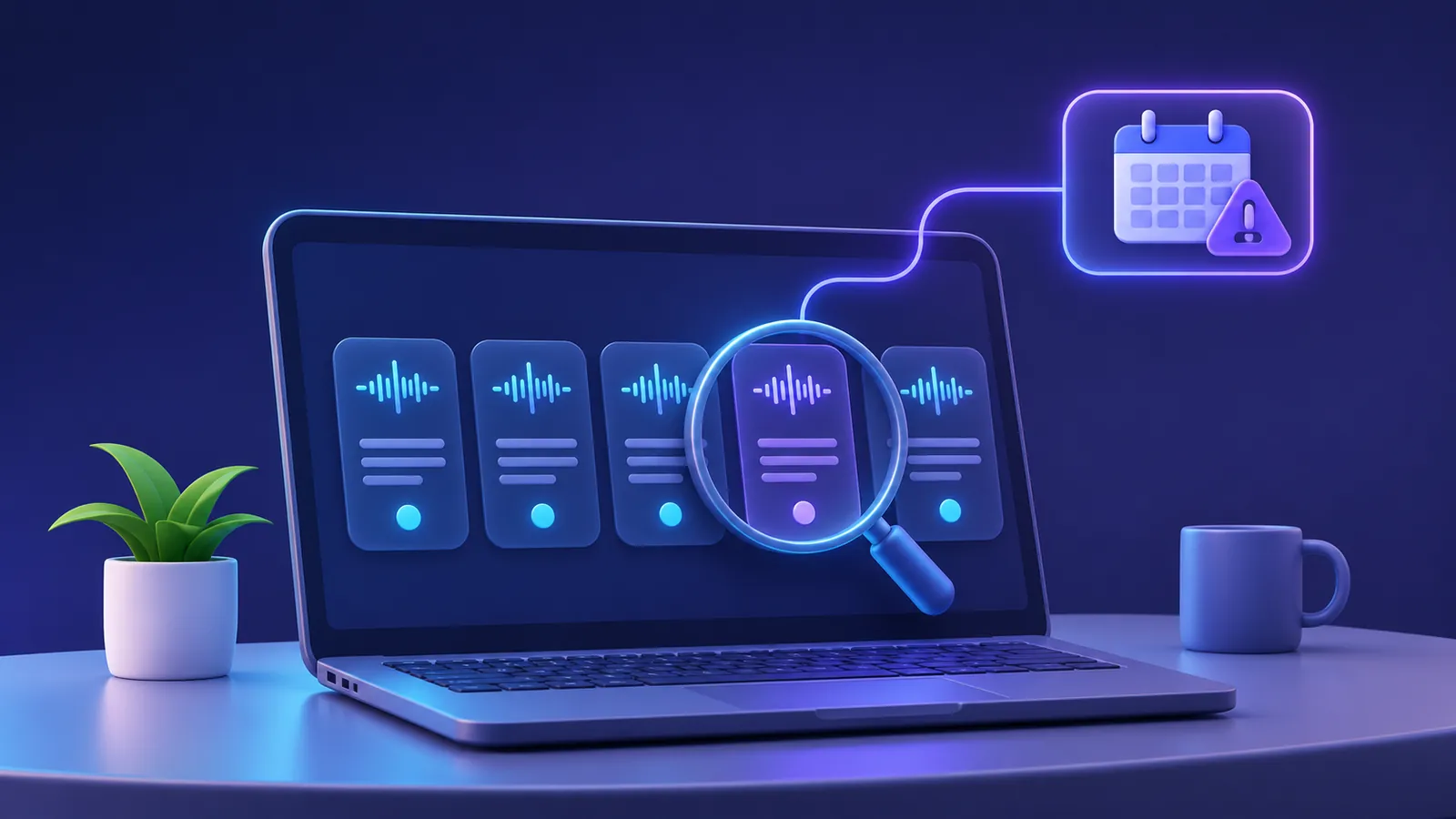
Someone on your side should own the review, starting with failed bookings and transfers. Ask who can see transcripts and recordings, how long they are kept and how access is removed. Check recording and disclosure rules wherever you operate.
What happens when the caller cannot reach a person?
Handoff is incomplete without a fallback. In my build, any component failure falls back to voicemail plus a callback.
- Tell the caller the action could not be completed.
- Offer a person if one is available, otherwise voicemail or a callback request.
- Capture only what the follow-up needs, and log it for the right team member.
- Do not say a callback is booked unless the system confirmed it.
If the receptionist also places outbound or callback calls with an AI voice, note that the FCC confirmed in February 2024 that AI-generated voices count as “artificial” under the Telephone Consumer Protection Act. That ruling concerns outbound calls, so I would not stretch it to inbound answering. This is general information, not legal advice; check consent rules with your counsel.
Why do good demos still break in production?
Real callers interrupt, change their minds and call from noisy places. I test these on purpose:
- Slow first words: The caller assumes nobody is there.
- Names and addresses: A misheard detail lands in the booking or contact record.
- Interruptions: The caller talks while the system is still speaking.
- Changing intent: A new booking turns into a change to an existing one.
- After-hours calls: Different rules apply.
- Integration timeouts: The calendar or CRM does not respond in time.
Each needs an expected behavior: confirm an unclear address instead of storing a guess, stop talking when interrupted, and do not report success when an integration failed. I wrote about the wider pattern in why AI projects fail after the demo.
Owners in the r/smallbusiness discussion and the r/Entrepreneur discussion raise the same worries: callers hanging up, whether to say it is AI, too many questions, and getting stuck when asking for a person. Treat those threads as a test list, not evidence.
How do you choose the best AI receptionist before committing?
Run a short trial with your real rules, a test calendar and realistic calls, not a vendor-run demo. Agree first on what success means for each call type.
| What to check | Question to ask the vendor | What a good answer sounds like |
|---|---|---|
| Human handoff | What happens when a caller asks for a person or the system is unsure? | Triggers per call type, plus a demo of the transfer and no-answer fallback. |
| Calendar booking | Do you check live availability and confirm the saved appointment? | Yes, and we verify the event and handle rescheduling. |
| Qualification | Can I control which questions are asked? | Yes, per call type, and it stops once routing is clear. |
| Call logging | Can my team see what happened on each call? | Yes: summaries, transcripts where enabled, tool actions and failures. |
| Fallback | What if the calendar or transfer line is down? | A clear explanation, then voicemail or a callback request. |
| AI disclosure | Can the receptionist say it is AI? | Yes, the greeting is configurable and you can test it. |
| Data access | Who can see caller data, and can I control retention? | We can show permissions, retention and deletion. |
| Trial | Can I test my own scenarios first? | Yes, with your calls, and we review the results together. |
Ask the vendor to show each behavior, not just confirm it exists, and listen as a caller would.
My team at NextCTL wrote a shorter buyer guide to AI receptionists for a quick comparison.
When most calls need empathy, sensitive judgment or long, unusual conversations, a human virtual receptionist is often the better choice. The same goes for a process the business has not defined yet: an ai virtual receptionist will not settle how to qualify callers or when to escalate. A hybrid setup is often the honest middle.
Before you sign, run down this list:
- The receptionist says it is AI and explains its role.
- Common call types have defined routes and allowed actions.
- Callers can reach a person without extra questions.
- Transfers have been tested, including no answer.
- Availability is rechecked before booking.
- Confirmations and rescheduling work without duplicates.
- Qualification stops once the next step is clear.
- Staff can review summaries, transcripts and tool actions.
- Voicemail and callback fallback works when a component fails.
- Data access, retention and disclosure rules have been reviewed.
- Interruptions and after-hours calls have been tested.
- Someone owns weekly review and fixes.
Key takeaways
- The right receptionist fits your real call types, calendar rules and handoff process.
- A booking counts only when the calendar confirms it.
- Call logs and action records are how you find and fix problems.
- Voicemail and callback paths matter because transfers and integrations fail.
- A realistic trial tells you more than a polished demo.
If you want a second opinion on a receptionist setup, or one built around your calendar and handoff rules, Book a conversation. You can also subscribe to The Production Notes, my newsletter with one practical post a week, using the signup box below this post.
FAQ
What is the best AI receptionist for a small business?
The best one is the receptionist that fits your call types, booking system and handoff needs. I would choose the option that shows accurate routing, confirmed calendar actions, readable call records and a dependable fallback in a trial with your own calls. A product with fewer features can be the better fit if it handles your real workflow more clearly.
Should an AI receptionist tell callers it is AI?
Yes. I recommend a clear introduction instead of letting callers assume they are talking to a person. It sets expectations and gives callers an easy way to ask for a human. Disclosure and recording rules vary by location and use, so check what applies to you with your compliance team or counsel before going live.
Can an AI receptionist book appointments into my calendar?
Yes, when it has a working calendar integration and permission to create or change appointments. Check that it reads real availability, follows your booking rules, handles time zones and waits for the calendar to confirm. Test rescheduling and conflicts too. If the calendar cannot confirm, the receptionist should say the booking is not verified and offer a callback.
What happens when the AI receptionist cannot help a caller?
It should follow a defined escalation path: transfer to a person, offer voicemail, or log a callback request for the team. The caller should get an honest explanation, not an invented answer or a false confirmation. I test these situations before launch and review the logs afterwards to confirm the fallback behaved as designed.